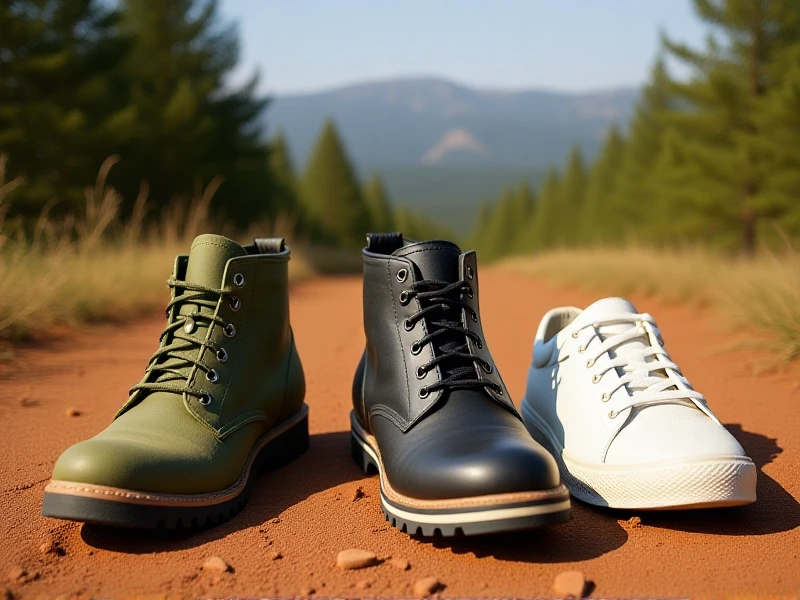
Hiking Boots: Your Essential Guide to Conquering Any Trail
Choosing the right hiking boots isn't just about fashion; it's fundamental for comfort, safety, and enjoying every step of your outdoor adventure. The wrong pair can lead to blisters, fatigue, and even injury, cutting adventures short. Understanding what makes a great hiking boot empowers you to invest wisely and tackle trails with confidence.
Footwear Built for Performance and Protection
Modern hiking boots provide critical advantages over standard shoes. Their primary purpose is ankle support. Sturdy uppers and higher ankle cuffs stabilize your foot, reducing rolling on uneven, rocky, or slippery terrain. This support is crucial for carrying a backpack, as the extra weight increases strain on joints. Equally important is traction. Specially designed soles with deep, durable traction grip slick surfaces, muddy paths, and loose gravel, preventing slips. Waterproofing technology like Gore-Tex membranes is crucial for keeping feet dry in wet conditions and crossing streams, while breathable linings manage sweat. Robust materials such as full-grain leather or abrasion-resistant synthetics shield your feet from sharp rocks and roots. Finally, advanced cushioning and sturdy midsoles absorb shock, reducing fatigue during long miles.
Finding Your Perfect Hiking Boots
The "best" boot depends entirely on your needs:
- Trail Type: Lightweight trail runners suffice for well-maintained paths and short day hikes. Mid-cut boots offer crucial ankle support for rugged, uneven terrain common in longer day hikes and moderate multi-day trips with a pack. Heavy-duty, full-leather backpacking boots prioritize maximum support and durability for carrying substantial loads over extended distances or very technical trails.
- Fit is King: Never compromise. Your feet swell during hiking. Go to an outdoor store in the afternoon. Wear the socks you plan to hike in. There should be ample room in the toe box (wiggle space!), a snug but not tight heel lock, and no uncomfortable pressure points. Walk around an incline. A poor fit nullifies all other features.
- Materials & Weather: Full-grain leather offers supreme durability and weather resistance but requires break-in. Synthetics or nubuck leather are often lighter, more flexible, and faster drying but may offer less long-term robustness. Prioritize waterproof hiking boots for wet climates or seasons; opt for breathable boots in hot, dry conditions.
- Outsole Expertise: Look for reputable brands with specialized rubber compounds (like Vibram) known for long-lasting traction on various terrain types. Lug depth and pattern impact grip significantly.
Beyond the Purchase: Caring for Your Boots
Protect your investment. Clean off dirt and mud after hikes with a soft brush and damp cloth. Avoid direct heat when drying. Regularly apply specific conditioners to leather boots to maintain water repellency and prevent cracking. Store them in a cool, dry place. Well-cared-for boots provide miles of reliable adventure.
The trail awaits! Investing time in finding high-quality hiking boots tailored to your adventures and correctly caring for them ensures your feet remain happy, blister-free, and ready for every summit and valley your passion demands. Replace boots before significant sole wear or midsole breakdown compromises support and safety.