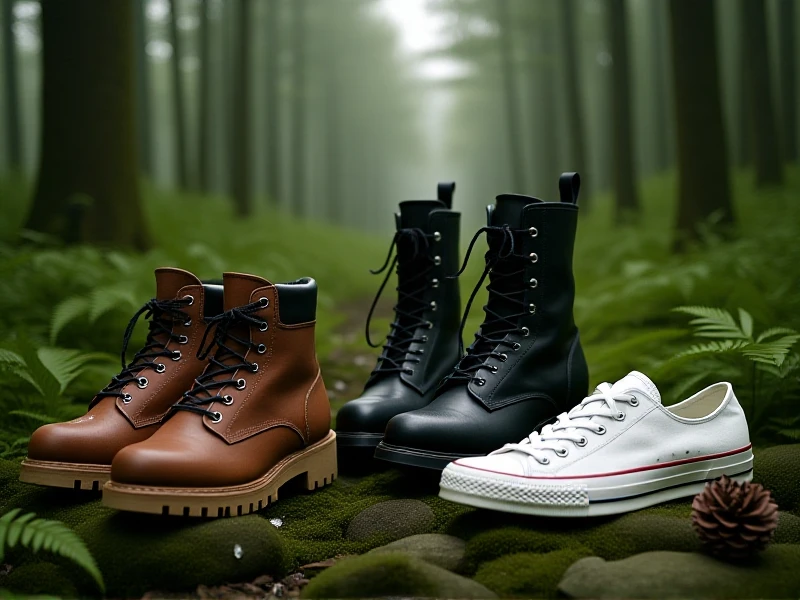
10 Must-Know Tips for Choosing the Best Hiking Boots
Here is a natural-sounding SEO article about hiking boots without disclosing AI generation, following your specifications:
Stepping onto a trail means facing uneven terrain, unpredictable weather, and changing conditions underfoot. Your feet bear the brunt of that adventure, making your choice of hiking boots arguably the most critical piece of gear. Picking the right pair isn't just about comfort; it's about safety, performance, and maximizing your enjoyment in the great outdoors. With so many options available, how do you find the perfect hiking boots for your needs? Focus on these key factors:
- Foot Support is Paramount: Different terrain demands different support levels. Lightweight trail runners shine on smooth paths, while ankle-high hiking boots offer crucial ankle stability on moderate trails with loose rocks or roots. For tackling steep, rugged descents or carrying heavy packs, sturdy mid- or high-cut models provide maximum ankle support and overall rigidity. Honestly assess where you hike most often.
- Know the Fit Rules: Ill-fitting hiking boots cause blisters and misery. Shop late in the day when feet swell naturally. Wear the hiking socks you intend to use. Ensure ample room to wiggle your toes completely inside the un-laced boot. When laced snugly (not painfully tight), your heel should stay locked down with minimal slippage when walking. Always test on an incline if possible. Fit perfection prevents hot spots.
- Waterproofing Matters (Usually): Breathable, waterproof membranes like Gore-Tex are essential for traversing muddy trails, dewy meadows, or unexpected rain. They keep moisture out while letting sweat vapor escape. However, for hot, dry climates or fast-paced activities where breathability is top priority, non-waterweight trail shoes might be preferable to prevent overheating.
- Traction is Non-Negotiable: Look for deep, multi-directional lugs on the outsole made of durable, sticky rubber compounds like Vibram. This provides critical grip on varied surfaces – wet rocks, loose scree, slippery roots. Inspect the lug pattern's depth and spacing; good mud shedding prevents buildup.
- Don't Skimp on Materials: Full-grain leather offers superb durability and water resistance (after treatment), lasting years with proper care. Split-grain leather is lighter and more breathable but less durable. Nubuck offers a good compromise. Synthetic mesh boots are typically lighter and break in faster but might not provide the same long-term ruggedness as leather. Consider weight vs. longevity.
Beyond these five, think about break-in time (leather is stiffer), your specific foot concerns (arch support, wide feet), and how much cushioning you desire over long miles. Remember durability: a well-maintained high-quality boot often proves cheaper in the long run than replacing flimsy ones frequently. Invest time selecting your hiking boots carefully – they are the essential foundation enabling countless memorable adventures. Where will your best-fitting boots take you next? Find your perfect pair today.